
You've been making payments every month. Your account is in good standing. So why does your balance barely move? Because minimum payments aren't designed to get you out of debt. They're designed to keep you in it.
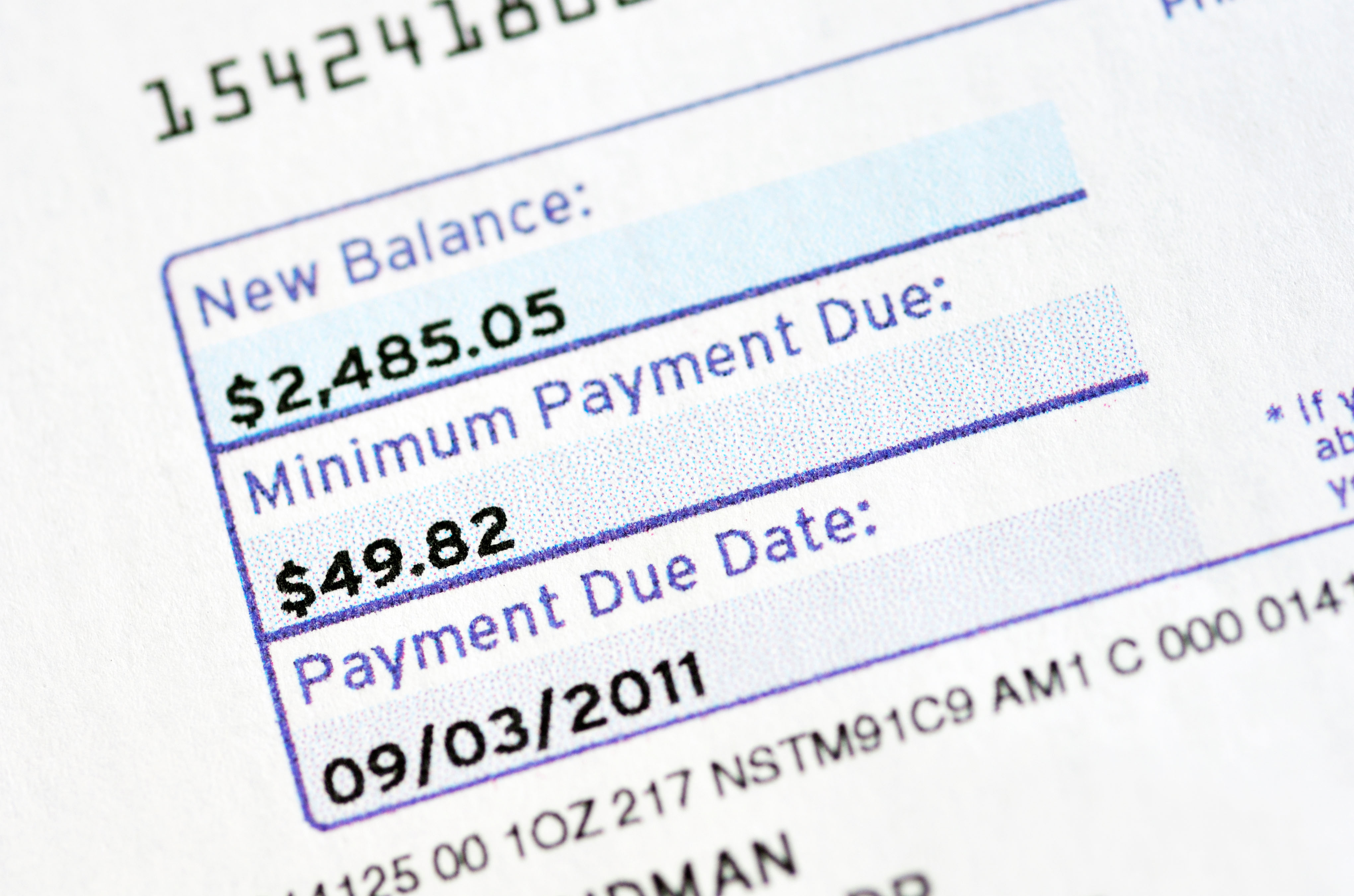
Credit card companies make minimum payments sound reasonable. After all, it's right there on your statement, the "minimum amount due," and paying it keeps your account current. What the statement doesn't show you is how much that minimum payment trap is actually costing you over time.
The math your statement hides
Let's say you have $8,000 on a credit card with a 22% APR. If you've ever wondered how long to pay off a credit card making only minimum payments, the answer is sobering. Your minimum payment might be around $160 per month, less than 2% of the balance.
At that rate, paying only the minimum, it would take over 30 years to pay off that balance. And the total interest you'd pay? More than $14,000, nearly double the original debt.
That's not a worst-case scenario. That's the math working exactly as designed. Plug any balance into a credit card interest calculator and you'll see the same result.
Why minimum payments are engineered that way
Minimum payments are set deliberately low, typically 1-2% of the balance or a small flat amount, because the longer your balance stays high, the more interest the lender collects. Understanding APR (annual percentage rate) and how it compounds monthly is key to seeing why even a "manageable" minimum payment can leave you stuck for decades.
It's a legal and common business model, but it runs directly counter to your financial interests.
When you pay the minimum, you're paying mostly interest. The principal barely moves. And if you're also adding new charges to the card each month, the balance can actually grow despite making payments. This pattern is known as the minimum payment cycle.
What a real credit card payoff strategy looks like
To make real progress on credit card debt, you need to pay significantly more than the minimum, ideally targeting the full balance or at least three to four times the minimum payment. Two proven approaches are the avalanche method (highest interest rate first) and the snowball method (smallest balance first).
For many people carrying balances across multiple cards, paying more simply isn't possible with their current income. That's where structured debt relief options become relevant.
Debt consolidation can lower your interest rate and give you a fixed payoff timeline. Debt settlement can reduce the total balance owed, so the math starts working in your favor rather than against you.
The first step is awareness
You can't get out of credit card debt without first seeing the full picture. If you've been making minimum payments and not seeing progress, pull up all your balances, interest rates, and minimum payments and look at the complete picture.
Run the numbers or use a credit card payoff calculator to see your actual timeline. If the numbers are discouraging, that's actually valuable information. It means now is the right time to explore your options, before the interest compounds further.
SecureWay Financial offers a free, no-pressure assessment that walks you through what debt relief options are genuinely available to you, with no commitment required.
This content is for informational purposes only and does not constitute financial or legal advice.