
You get paid. The money is gone before the week is over. You tell yourself next month will be different. It is not. If debt is part of the equation, willpower alone will never be enough to break the cycle. But a clear plan can.
Living paycheck to paycheck while carrying debt is one of the most exhausting financial situations there is. There is never quite enough, and the gap between income and expenses feels permanent. But it is not.
Getting out of this cycle usually requires addressing both sides of the equation: reducing your expenses and tackling the debt that is quietly draining your income every month.
Start with a clear picture
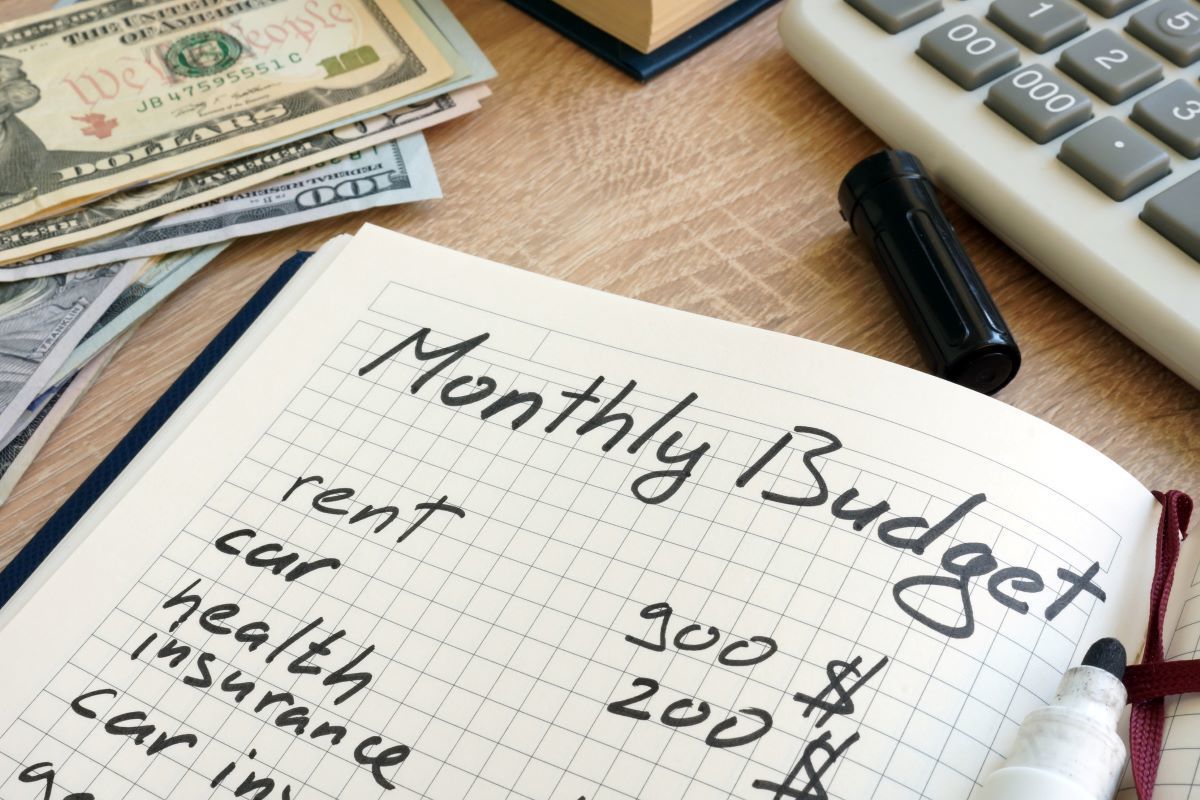
Before anything else, you need to know exactly where your money is going. Pull up three months of bank and credit card statements and categorize every transaction. Most people are surprised by what they find: subscriptions they forgot, recurring fees, and spending patterns they never fully registered.
This is not about judgment. It is about information. You cannot break a cycle you have not clearly mapped.
Identify every fixed and variable cost
Fixed costs are non-negotiable for now: rent, utilities, insurance, car payments. Variable costs, including food, entertainment, subscriptions, and dining out, are where short-term flexibility exists.
Look at your variable spending and ask honestly: what can move? Even freeing up $100 to $200 per month creates real breathing room and starts chipping away at what you owe.
Address the debt directly
Here is the part most budgeting advice skips. If you are paying high interest debt minimums every month, a significant portion of your paycheck is going toward interest, not reducing your balance. You are essentially paying a recurring tax on your debt every single month without making meaningful progress.
This is where debt relief strategies become worth exploring.
Debt consolidation at a lower interest rate can immediately reduce your monthly payment obligations. Debt settlement can eliminate large unsecured balances entirely. Either path can break the paycheck to paycheck cycle by freeing up real money each month, not just in theory but in your actual bank account.
Build even a small cash buffer
Once you have found some breathing room, focus on building a small emergency fund. Ideally one month of essential expenses. Even $500 to $1,000 saved changes the psychological dynamic of how you manage money day to day. It means one unexpected expense does not send everything back to zero.
Small habits that protect your progress
Getting out of the cycle is one thing. Staying out requires a few consistent habits:
- Review your spending once a week, even for just 10 minutes
- Automate a small savings transfer on payday, even $25 to start
- Avoid adding new credit card charges while paying down existing balances
- Revisit your budget every 30 days as your situation changes
The cycle ends when you break it intentionally
Living paycheck to paycheck does not resolve on its own. It takes a deliberate decision to stop, take stock of the full situation, and take one concrete step forward.
If debt is the core of what is keeping you stuck, addressing it directly is the fastest way to create the financial breathing room you have been looking for. SecureWay Financial offers a free consultation with IAPDA Certified advisors who can walk you through your debt relief options in plain language, with no obligation and no pressure.